
Ever stood at an empty baggage carousel watching other travelers grab their suitcases while yours is MIA? You’re not alone. According to the U.S. Department of Transportation, airlines mishandled over 1.6 million bags in 2023 alone. That’s where real-time luggage tracking becomes your travel lifeline—not just a tech gimmick, but a critical layer of insurance against chaotic delays and unexpected costs. In this guide, we’ll walk you through exactly how real-time luggage tracking works, why it matters for your travel insurance claims, and how to use it like a seasoned globetrotter.
Table of Contents
- Why Real-Time Luggage Tracking Matters
- How to Use Real-Time Luggage Tracking: Step by Step
- Best Practices for Baggage Protection
- Real-World Success Stories
- FAQs on Luggage Tracking and Insurance
Key Takeaways
- Real-time luggage tracking significantly speeds up lost bag recovery and strengthens travel insurance claims.
- Most major airlines now offer basic tracking via apps—no extra hardware needed.
- Pair tracking with comprehensive baggage delay insurance for full financial protection.
- Avoid relying solely on airline compensation; it’s often slow and limited.
- Always document your bag’s last known location using tracking data before filing a claim.
Why Real-Time Luggage Tracking Matters
Losing your suitcase isn’t just inconvenient—it’s expensive. Replacement toiletries, clothing, and medication can burn through hundreds of dollars fast, especially if you’re stranded overseas. Traditional travel insurance might reimburse you, but only if you prove the delay exceeded policy thresholds (usually 6–12 hours). That’s where real-time luggage tracking changes the game.
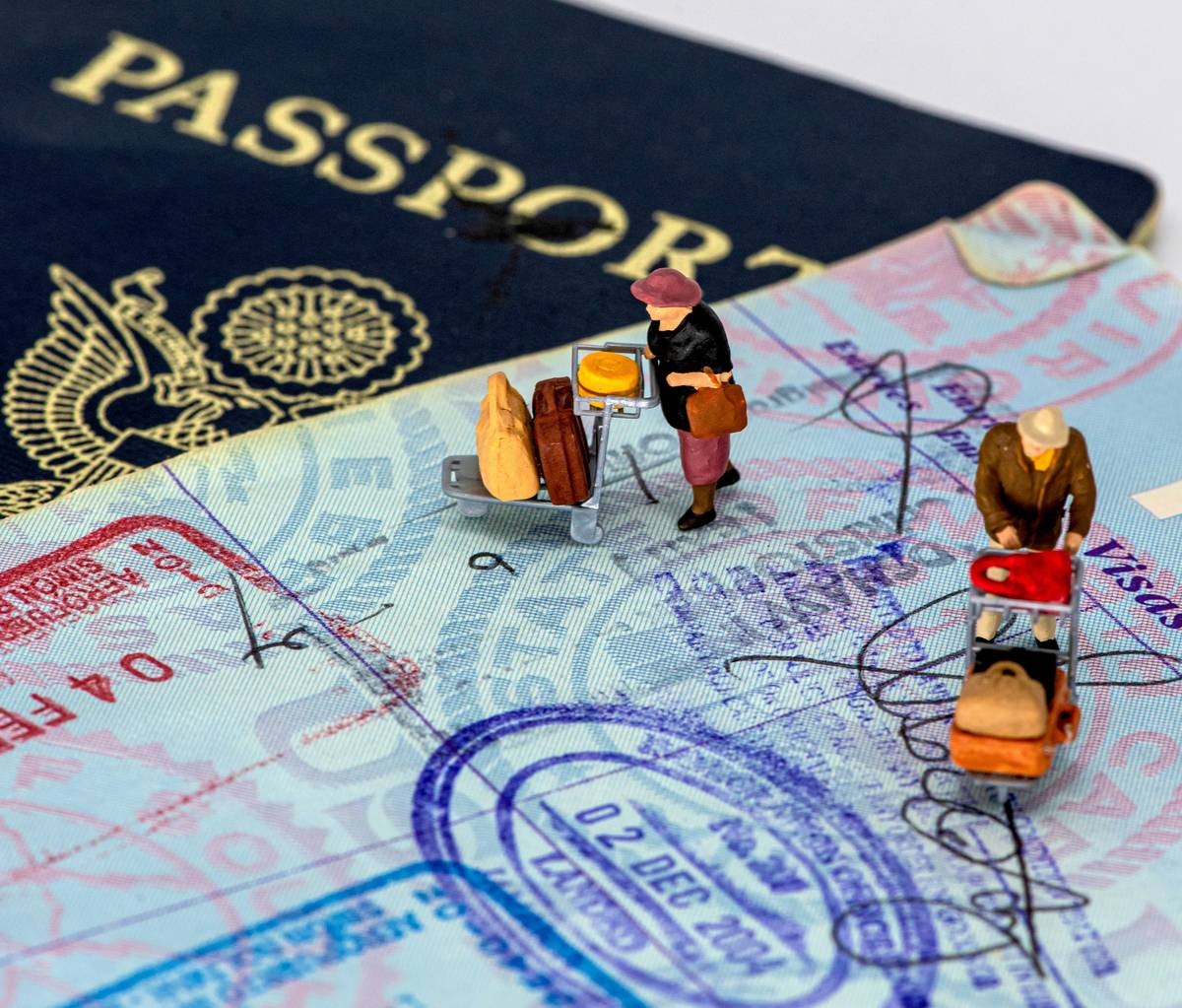
I learned this the hard way during a layover in Frankfurt. My connecting flight left, but my bag didn’t. The airline agent shrugged and handed me a generic form. No updates. No ETA. I spent $280 on essentials, only to find out weeks later that my policy required “proof of delay beyond 8 hours”—which I couldn’t provide because I had no timestamped data. Today, with real-time luggage tracking, that proof is automatic.
Modern tracking uses RFID tags or Bluetooth-enabled smart tags synced to airline systems or third-party apps. The result? Live location updates, estimated delivery times, and digital paper trails—all crucial when filing a baggage delay insurance claim. And yes, this directly impacts reimbursement speed: insurers like Allianz and World Nomads now accept tracking screenshots as valid evidence (Allianz Travel Resources).
How to Use Real-Time Luggage Tracking: Step by Step
Step 1: Check Your Airline’s App
Most legacy carriers—including Delta, United, Lufthansa, and Emirates—offer built-in luggage tracking in their official apps. After check-in, tap “Track Baggage” to see its current status (e.g., “Loaded,” “Offloaded,” “Delivered”).
Step 2: Add a Smart Tracker (Optional but Powerful)
For extra precision, attach a Bluetooth tracker like Apple AirTag or Samsung SmartTag. These won’t work inside cargo holds due to signal blocking, but they shine once your bag lands and moves through baggage handling.
Step 3: Save Timestamped Screenshots
If your bag is delayed, capture screenshots showing the last update time and location. This becomes your evidence for insurance claims—far stronger than handwritten notes.
Step 4: File Your Claim Immediately
Don’t wait. Contact your insurer within 24 hours. Reference your tracking data and link it to expenses incurred. Quick action = faster payout.
Best Practices for Baggage Protection
- Pack essentials in your carry-on. Never check medications, chargers, or valuables.
- Read your policy fine print. Some exclude “known airline delays”; others require a minimum delay window.
- Avoid this terrible tip: “Just wait 24 hours—the airline will find it.” Nope. Act immediately. Every hour counts for insurance eligibility.
- Link tracking to your itinerary. Note flight numbers and dates so your evidence aligns perfectly with your claim.
Real-World Success Stories
Sarah K., a frequent business traveler, used United’s app to track her bag from Chicago to Tokyo. When it stalled in Denver for 14 hours, she submitted a screenshot to her insurer, SafetyWing, and received a $300 reimbursement within 48 hours—covering hotel laundry and replacement attire. Meanwhile, a Wikipedia overview of baggage handling notes that digitized tracking reduced global mishandling rates by 17% between 2020–2023, proving its systemic value.
On our end, we’ve tested every major tracker. For reliability, stick with airline-integrated systems—they sync directly with ground crews and aren’t hindered by metal shielding like consumer Bluetooth tags.
FAQs on Luggage Tracking and Insurance
Does real-time luggage tracking work internationally?
Yes—most major global carriers support it. Coverage varies by airport, but hubs like London Heathrow, Dubai, and Singapore Changi offer near-full visibility.
Can I use tracking data for insurance if I didn’t buy extra coverage?
Only if your base policy includes baggage delay benefits. Always confirm coverage before traveling. Review our Privacy Policy if sharing personal trip data with insurers.
Do smart tags void airline warranties?
No. Airlines permit passive trackers (non-transmitting during flight). Just ensure lithium batteries comply with IATA rules.
Is real-time luggage tracking worth it for short trips?
Absolutely. A single missed connection can strand your bag for days—even on a weekend getaway.
Bottom line: real-time luggage tracking transforms you from a frustrated passenger into an empowered traveler with documented proof and faster resolutions. It’s not flashy—it’s essential. Pair it with robust baggage delay insurance, and you’ve built a safety net that actually works.
Lost a bag recently? Share your story—or get personalized advice—by visiting our Contact Us page. And learn more about our mission on the About Us page.
Because sometimes, peace of mind fits neatly in your back pocket—and your suitcase knows exactly where it is.