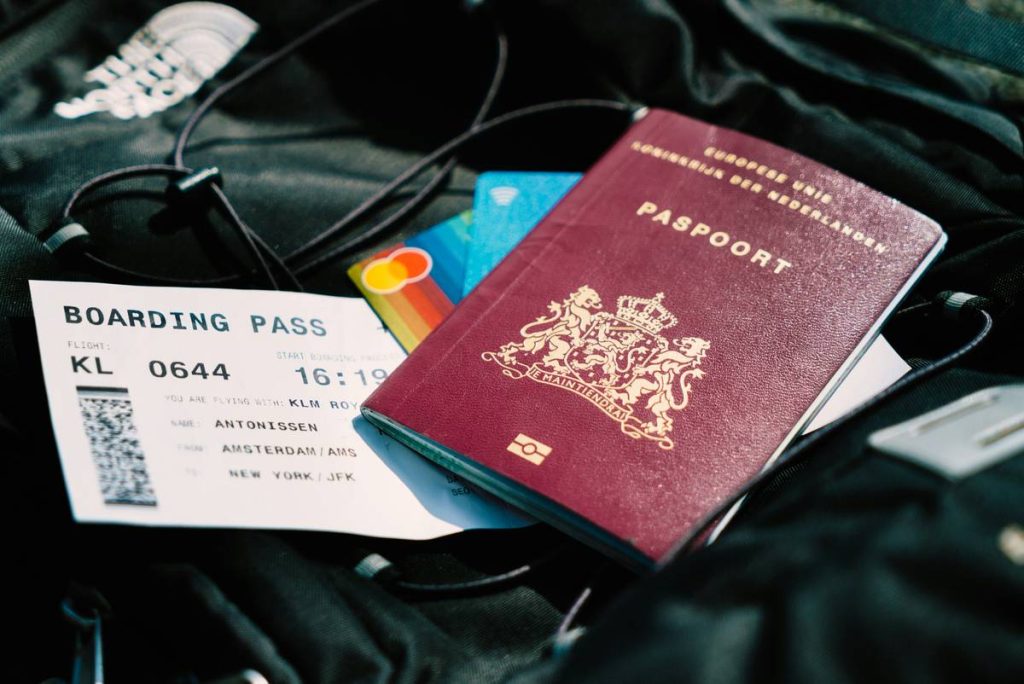
You’re stranded at JFK, your flight’s been canceled for the third time this week, and your suitcase—packed with everything from prescription meds to your only pair of dress shoes—is still sitting on a tarmac in Denver. Sound familiar? If you’ve ever faced a baggage delay that turned your vacation into a logistical nightmare, you know why insurance for trip delay isn’t just optional—it’s essential. In this guide, we’ll walk you through exactly how to protect yourself, recover expenses, and avoid the rookie errors that leave travelers stranded without recourse.
Table of Contents
- Why Baggage Delays Hurt More Than You Think
- How to File a Claim: Step-by-Step
- Best Practices for Maximizing Your Coverage
- Real-World Examples: What Works and What Doesn’t
- Frequently Asked Questions
Key Takeaways
- Insurance for trip delay typically covers essentials like toiletries, clothing, and medication after a 6–12 hour delay.
- Document everything: receipts, airline reports (PIR), and photos of damaged items.
- Not all policies cover trip delays—always verify coverage before booking.
- File claims within 20–90 days; delays can void your eligibility.
- Never assume your credit card offers full protection—many exclude baggage delay entirely.
Why Baggage Delays Hurt More Than You Think
A delayed bag might seem like a minor inconvenience—until you’re buying a new suit for a wedding or paying $40 for emergency asthma inhalers. According to the U.S. Department of Transportation, airlines mishandled 6.3 bags per 1,000 passengers in 2023. That’s over 1.5 million pieces of luggage. And while most arrive within 24 hours, that window is long enough to derail business trips, medical needs, or family vacations.
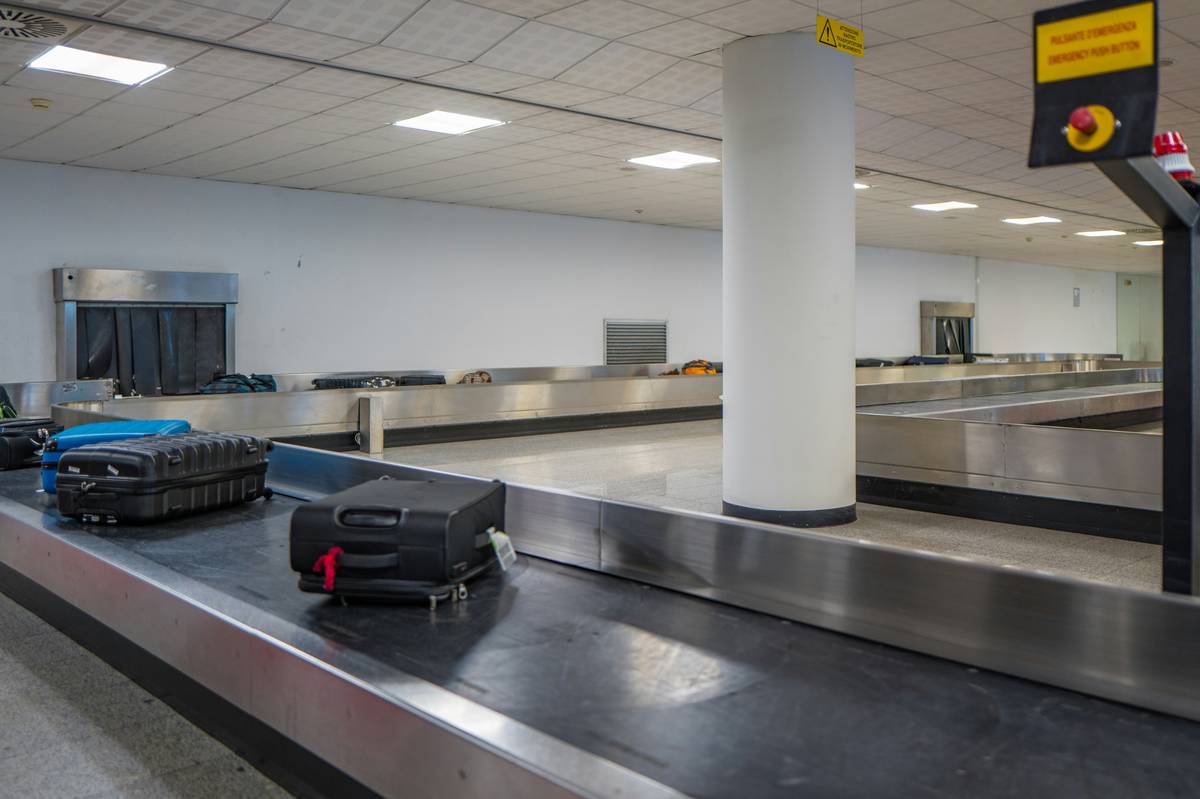
I learned this the hard way during a conference in Lisbon. My bag never made the connection from Frankfurt. I assumed my premium travel card had me covered. It didn’t. I spent €120 on basics, filed a claim—and got denied because “baggage delay” wasn’t listed as a covered benefit. Lesson? Always read the fine print.
How to File a Claim: Step-by-Step
1. Get an Official Report from the Airline
Immediately request a Property Irregularity Report (PIR) at the baggage service desk. This document is non-negotiable for any insurance for trip delay claim.
2. Keep Every Receipt
Save digital and physical copies of all purchases: toothbrushes, underwear, medications. Most policies reimburse up to $200–$500 per day, capped at 2–3 days.
3. Submit Within the Deadline
Insurers like Allianz and World Nomads require claims within 90 days. Others, like some credit card issuers, give only 20. Check your policy or our About Us page for provider insights we’ve vetted.
Best Practices for Maximizing Your Coverage
- Buy insurance within 24 hours of your initial trip deposit. Many plans offer “Cancel For Any Reason” upgrades only during this window.
- Choose per-day reimbursement, not lump-sum. A $300/day cap beats a flat $200 total if your bag takes two days to arrive.
- Never skip the PIR. No report = automatic denial. Period.
- Terrible tip alert: Don’t “estimate” expenses. One traveler claimed $80 for “emergency socks”—without a receipt. Denied. Be precise.
And please—stop believing your Amex Platinum covers everything. While it offers some baggage delay benefits, it excludes many destinations and caps reimbursements at $100 per day after a 6-hour wait. Verify coverage annually.
Real-World Examples: What Works and What Doesn’t
In 2023, a family traveling to Costa Rica experienced a 36-hour baggage delay due to a missed connection in Miami. Their policy through Berkshire Hathaway Travel Protection reimbursed $450 for children’s clothing, baby formula, and swimwear—because they had:
- A PIR from American Airlines
- Itemized receipts under $150 each
- Filed within 10 days
Contrast that with a solo traveler who lost his bag en route to Tokyo. He used a budget insurer that excluded “acts of weather.” His flight was delayed due to typhoon rerouting—and his claim was denied. Always check exclusions for natural events, strikes, or pandemics.
Frequently Asked Questions
Does insurance for trip delay cover missed hotel nights?
Generally, no. Baggage delay coverage applies only to essential personal items, not accommodations. For lodging, you need trip interruption coverage.
How long must my bag be delayed to qualify?
Most U.S. policies trigger after 6–12 hours. European insurers often require 12+ hours. Confirm your threshold.
Can I get reimbursed if I use airline-provided vouchers?
Yes—but subtract the voucher value from your claim. Don’t double-dip.
Is credit card travel insurance enough?
Sometimes. Cards like Chase Sapphire Reserve offer $100/day (max $300), but require you to pay for the trip with the card. Always compare terms.
What if my bag is permanently lost?
That falls under “baggage loss,” not delay. Different claim process, higher limits—but longer wait times (usually 5+ days).
Do I need to notify my insurer immediately?
Not always—but document everything from Day 1. Delaying notification won’t void your claim, but missing the submission deadline will. Review your policy on our Privacy Policy page where we detail data practices around user-submitted claims.
If you’re still unsure whether your current plan covers insurance for trip delay, or need help comparing options, contact us. We’ve reviewed dozens of policies so you don’t have to.
Remember: A delayed bag shouldn’t delay your peace of mind. Pack smart, insure smarter—and never trust a travel agent who says “it’ll be fine.”